
Tahitian Vanilla vs. Bourbon
Anyone who has ever opened a Tahiti pod and then cut open a Bourbon vanilla pod immediately understands why the term "Tahiti Vanilla Bourbon Difference" is more than just a question of origin. It's about scent, texture, intensity, and the decision of which vanilla truly suits which recipe. This very difference is what transforms a good dessert into a consciously composed taste experience.
Tahiti Vanilla Bourbon Difference - What is it really?
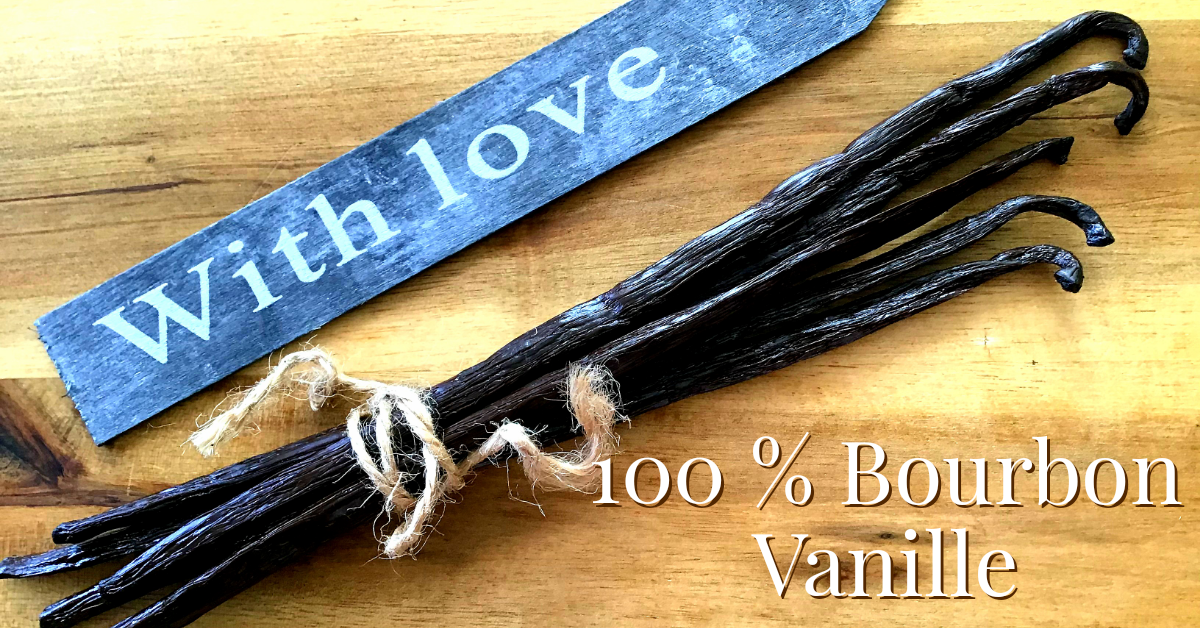
Both varieties are true vanilla, but they speak different culinary languages. Bourbon vanilla is the familiar classic for many. Its aroma is warm, round, deep, and distinctly vanilla, often with hints of cocoa, caramel, and a creamy spice. It supports doughs, creams, and classic patisserie with a rich, recognizable vanilla note.
Tahiti vanilla, on the other hand, is more fragrant and almost floral. Depending on the batch, its profile is reminiscent of blossoms, ripe fruits, anise, cherry, or even slightly almond-like nuances. It often smells more intensely straight from the pod but feels finer, more elegant, and less heavy on the palate. Those who expect only "more vanilla" are often surprised: Tahiti is not stronger in the classic sense, but built differently.
This is the core of the comparison. Bourbon vanilla delivers familiar depth. Tahiti vanilla brings expression, fragrance, and an almost perfumed delicacy. Neither is automatically better. It depends on what should be emphasized in the recipe.
Origin and Aroma Profile in Direct Comparison
Bourbon vanilla traditionally comes from Madagascar, Réunion, and other regions of the Indian Ocean. When Bourbon vanilla is mentioned in trade, it usually refers to the well-known Madagascar quality. These pods are so popular in upscale cuisine and ambitious home baking because they are versatile and deliver a full-bodied, familiar profile.
Tahiti vanilla has a different botanical and sensory character. It is associated with the South Pacific island worlds and is often considered the more exotic, rarer choice. Its scent is open, soft, and floral. Especially in delicate desserts, this can be spectacular, as it provides not only taste but also olfactory architecture.
An important point for discerning home bakers in the USA: The difference is not only evident raw on the pod, but especially after processing. Heat, fat, sugar, and acid change the perception. Bourbon usually remains stable and present. Tahiti can particularly flourish in cold or gently heated preparations.
How Bourbon Vanilla Tastes
Bourbon vanilla tastes full, dark, soft, and balanced. It brings the vanilla note that many expect from high-quality ice cream, crème brûlée, vanilla cake, or pudding. In buttercream, shortcrust pastry, or French toast, it provides richness and warmth. If a recipe should taste distinctly of vanilla without becoming surprisingly floral, Bourbon is usually the safe and luxurious choice.
How Tahiti Vanilla Tastes
Tahiti vanilla is aromatically more iridescent. It can appear floral, fruity, and almost velvety light. In panna cotta, cream desserts, fruit components, white chocolate, or fine beverages, it often creates a very elegant line. It is ideal when vanilla should not just be a base, but a character-defining nuance.
When is Which Vanilla Better Suited?
The best choice depends less on price than on the culinary goal. Those who prepare cookies, sponge cakes, cheesecake, vanilla sauce, or classic custards usually do excellently with Bourbon vanilla. It reliably holds its own against butter, eggs, sugar, and longer baking times. The result tastes rich, round, and familiarly premium.
Tahiti vanilla shows its strengths where delicacy matters. In desserts with cream, mascarpone, milk, coconut, stone fruit, berries, or tropical fruits, it can be extraordinarily beautiful. It is also a special choice in high-quality whipped cream, ice cream, or pudding with subtle sweetness. However, in heavily chocolatey or very spicy recipes, its delicate character can sometimes be lost.
This does not mean that Tahiti is only suitable for delicate recipes. It can also work in baked goods. However, the effect is often less "classic vanilla" and more "fragrant-elegant vanilla with a special twist." Many gourmet shoppers consciously seek exactly that.
Tahiti Vanilla Bourbon Difference in the Kitchen
In practice, it is worthwhile to treat vanilla like a spice with a clear purpose. For a traditional vanilla crescent, a rich buttercream, or a creamy cheesecake, Bourbon is often more harmonious. It provides structure and depth. For a delicate bavaroise, a light custard, poached pears, or a noble fruit tart, Tahiti can yield a more refined result.
The form also plays a role. Whole pods are ideal if you want the full aroma and seeds for visible vanilla flecks. Vanilla paste is practical for creams, frostings, and desserts with even distribution. Vanilla powder is suitable when no additional liquid is desired. Extract is convenient for everyday baking, though here too, origin and quality determine the difference between bland and fascinating.
Those who shop purposefully benefit from a range that differentiates by origin and application. This is precisely the appeal of a specialized selection like on vanille.sale: You don't just buy "vanilla," but consciously choose an aroma profile.
How to Recognize Quality in Both Varieties
Regardless of whether you prefer Bourbon or Tahiti: Good vanilla cannot be recognized by the label alone. The pods should be pliable, smell aromatic, and not appear dry or brittle. A high-quality pod feels flexible and releases a rich, fragrant pulp when cut open.
For Bourbon, many customers look for a deep, rich aroma and good fleshiness of the pod. For Tahiti, the scent is often the first quality characteristic. It should be clear, fine, and expressive, not flat or dull. Very cheap goods often appear drier, less complex, and lose their presence more quickly when used.
Storage also plays a role. Vanilla likes it cool, dry, and protected from light, but not in the refrigerator. Moisture can be problematic there. Well packaged and properly stored, high-quality pods retain their character significantly longer.
Which Vanilla US Customers Usually Choose for Which Recipes
In the US market, Bourbon vanilla is often the first choice for anyone transitioning from supermarket extract to real pods or high-quality vanilla products. It is familiar, versatile, and immediately provides noticeable added value in cupcakes, sugar cookies, ice cream bases, bread pudding, or pancake batter. For entertaining guests or seeking a gift set with clear all-around utility, Bourbon is usually the right choice.
Tahiti particularly appeals to customers who already know good vanilla and now desire more nuance. It suits desserts for dinner parties, fine patisserie, sorbets, panna cotta, and recipes where the aroma should not be heavy, but fragrant and elegant. Tahiti can also be very appealing in luxurious beverages, such as milk-based coffee or tea creations.
A small reality check is in order: If a recipe contains many dominant ingredients, the extra cost for Tahiti does not always pay off maximally. In such cases, Bourbon often offers better value for money. However, if the dessert is consciously understated and finely composed, Tahiti can make the difference between good and unforgettable.
Which Vanilla is Better - Tahiti or Bourbon?
The honest answer is: It depends. Bourbon is not the simple standard choice, but the sovereign, versatile queen for classic applications. Tahiti is not automatically more exclusive in the sense of "better for everything," but more specialized and expressive in certain contexts.
If you are looking for warmth, depth, and classic vanilla richness, choose Bourbon. If you want floral fragrance, sophistication, and a special finish, opt for Tahiti. Many experienced connoisseurs therefore keep both varieties in their pantry - not as a luxury without purpose, but because both perfectly fulfill different tasks.
Precisely therein lies the fascination of true vanilla. It is not an interchangeable ingredient, but a fine instrument. Once you consciously taste the difference, you no longer just shop by the name of the pod, but by the moment the recipe should ultimately create.

Recent blogs

Fairer Handel bei Gewürzen:...
Sep 25, 2026
Gorreana Grüntee Geschmacks...
Sep 24, 2026
Gorreana Tee mit Charakter ...
Sep 23, 2026Copyright 2017 - 2022 © Veana ToP UG - All Rights Reserved.